Crypto
Understanding Blockchain Technology
Nov 26, 2025
•
3 mins read
Blockchain technology is a bit like the plumbing in your house. It is essential but often overlooked.
It’s the unseen foundation that powers cryptocurrencies like Bitcoin, Ethereum, and many other that facilitate the adoption of crypto in Africa .
But what exactly is blockchain, and how does it work? Is it just for cryptocurrency? Let’s take a quick look into it and clear up some misconceptions along the way!
What Is Blockchain?
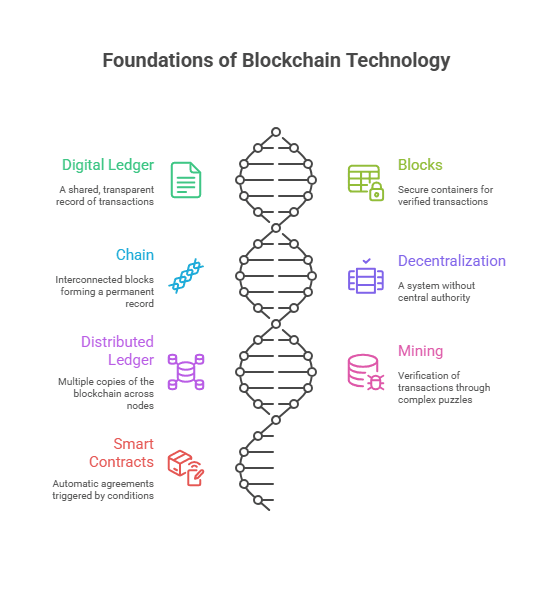
In its simplest form, blockchain is a digital ledger, a record of transactions, but instead of being controlled by one person or company, it’s maintained by a network of computers. Imagine a Google Doc that everyone can access but no one can change without others knowing. That’s a bit like how blockchain works.
Here’s a breakdown:
- Blocks: These are groups of transactions. Each block is like a page in a book where activities are written down.
- Chain: The blocks are linked together (like a chain), with each new block having a unique "fingerprint" from the one before. Once something is added, it’s pretty much set in stone—no edits allowed!
This system makes blockchain secure and tamper-resistant. Once a block is added to the chain, it becomes very hard to change, which makes it trustworthy.
Breaking Down Blockchain Terms
Let’s clarify some of the terms you’ll often hear in blockchain conversations:
- Decentralization: There’s no single boss. Instead of one central authority (like a bank) keeping records, blockchain is decentralized. A network of computers (called nodes) works together to validate and record transactions.
- Distributed Ledger: Everyone in the network gets a copy of the blockchain. This means everyone can see the transactions, but no one can mess with them behind the scenes.
- Mining: No, this has nothing to do with pickaxes or hard hats. In the world of blockchain, mining is the process where computers solve complex math problems to verify transactions and create new blocks. Miners get rewarded (often with cryptocurrency) for their work.
- Smart Contracts: These are like digital agreements that automatically execute when certain conditions are met, all without needing a middleman. For example, imagine selling a piece of digital art that automatically transfers ownership once payment is received.
Busting Blockchain Myths
Now that you have a basic understanding, let’s clear up some common misconceptions.
Myth 1: Blockchain Is Bitcoin
It’s easy to think that blockchain = Bitcoin, but that’s like saying the internet is just Facebook. While Bitcoin was the first cryptocurrency to use blockchain, blockchain itself is a technology. It can power all sorts of things beyond cryptocurrencies, from supply chains to healthcare records.
Myth 2: Blockchain Is Only for Cryptocurrency
While blockchain became famous because of cryptocurrency, it’s far more versatile. Businesses use blockchain for secure voting systems, tracking goods in the supply chain, verifying identities, and more. Any industry that needs transparent, tamper-proof record-keeping can benefit from blockchain.
Myth 3: Blockchain Is Anonymous
This one is tricky. While cryptocurrency transactions can be pseudonymous (meaning your identity isn’t directly tied to your transactions), blockchain itself isn’t completely anonymous. Every transaction is recorded on the blockchain for all to see. While names and personal details aren’t directly listed, your digital identity (wallet address) is always visible.
Myth 4: Blockchain Is Infallible
Blockchain is secure, but it’s not immune to all problems. Hacks can happen at the exchange level (where you store your cryptocurrency) or through poorly written smart contracts. So while blockchain is generally more secure than traditional systems, it’s not completely risk-free.
Here is a full guide on cryptocurency myths that you should avoid
Why Is Blockchain Important?
Blockchain’s real superpower is trust. In a world where everyone’s trying to keep their digital lives secure, blockchain creates a system where transactions can happen between people without needing a middleman, like a bank or government. You don’t have to trust any one person or company, just the system itself.
This is especially powerful for cryptocurrencies like Bitcoin, which rely on blockchain technology to enable fast, secure, and decentralized transactions around the world.
Frequently Asked Questions
What is blockchain technology?
Blockchain is a digital ledger that securely records transactions across a network of computers. Once information is added, it cannot be easily changed, making it transparent and secure.
Is blockchain the same as Bitcoin?
No. Blockchain is the technology that powers Bitcoin and many other cryptocurrencies, but it also has uses beyond cryptocurrency.
Why is blockchain important?
Blockchain helps make digital transactions more secure, transparent, and reliable by removing the need for a central authority to verify records.
Is blockchain only used for cryptocurrency?
No. Blockchain is also used in industries such as finance, healthcare, supply chain management, and digital identity verification.
How does FlashChange use blockchain technology?
FlashChange leverages blockchain technology to support secure, fast, and reliable cryptocurrency transactions, giving users a safe and seamless trading experience.
Let’s Wrap It Up
So, there you have it! Blockchain is more than just the technology behind cryptocurrency—it’s a revolutionary way to think about security, transparency, and trust in the digital world. Whether you trade cryptocurrency on the FlashChange App or you’re just curious about new technology, blockchain is one innovation you’ll want to keep an eye on.
Now that you know the basics, why not dive deeper? Learn how you can do research on cryptocurrencies and start your crypto journey
Related articles
Crypto
The Future of Digital Finance
Digital finance is now about trust moving from institutions into infrastructure itself, and Africa is where that shift is happening fastest.
Ememobong Udofot
Sep 17, 2026
•
3 min read
Crypto
Why Crypto Still Struggles to Earn Trust in Nigeria
The real reason many Nigerians still don't trust crypto is not volatility and regulation. Find out why
Ememobong Udofot
Sep 17, 2026
•
3 min read
Crypto
How to Tell If a Fintech App Is Actually Trustworthy
Here's the actual checklist on how to know if a fintech app is legit from one that just looks trustworthy.
Ememobong Udofot
Sep 11, 2026
•
3 min read
Subscribe to our Newsletter
Enter your contact details to get the latest news and trends to help boost your business.